
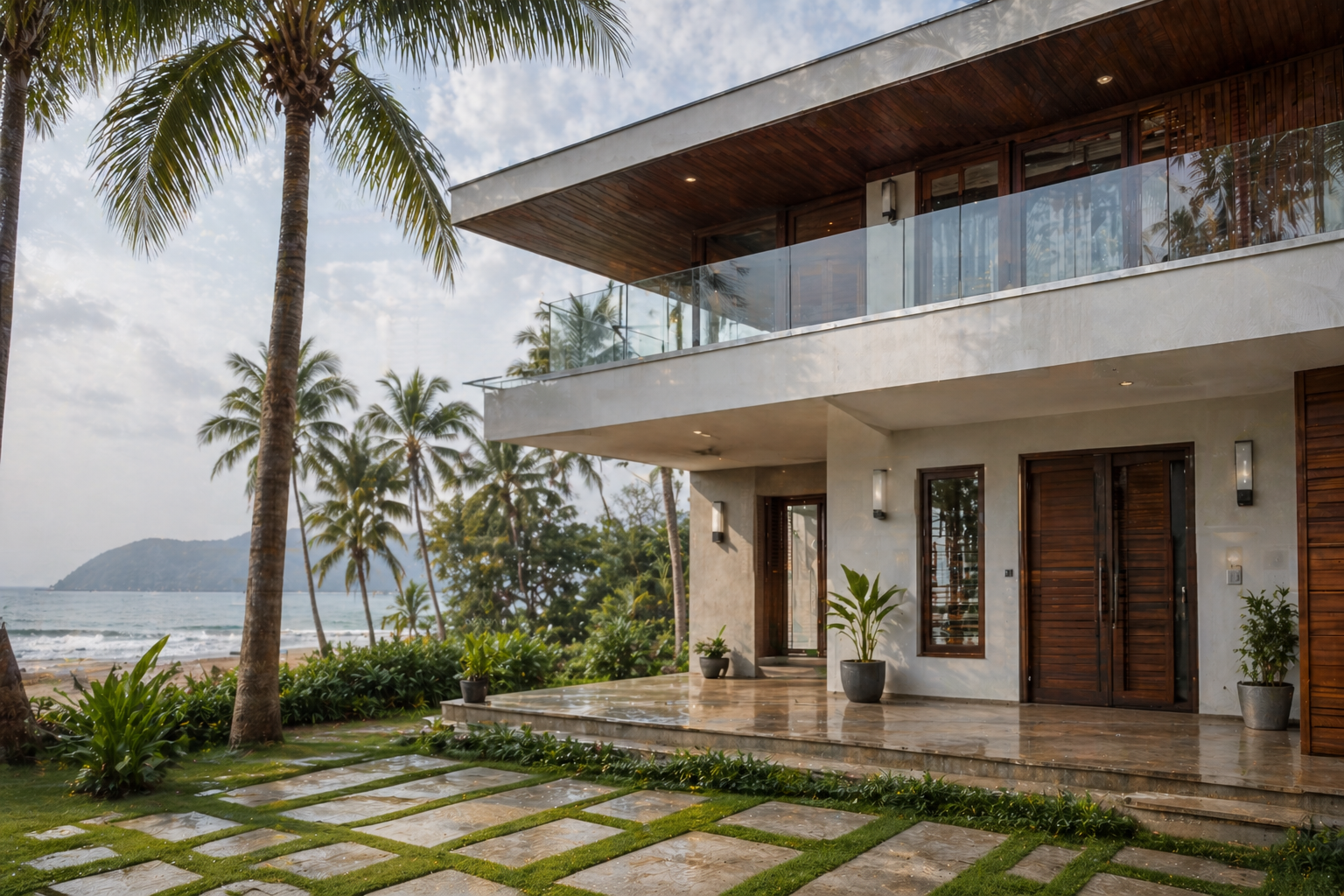
Coastal Homes Face Unique Construction Challenges
Living near the coast offers breathtaking views, fresh air, and a peaceful lifestyle. However, coastal environments also create some of the harshest conditions for building exteriors.
Constant exposure to moisture, humidity, salt-laden air, heavy rainfall, and intense sunlight can rapidly deteriorate conventional building materials. What may perform well in a dry climate often struggles to survive in coastal regions.
For homeowners, architects, and builders, selecting the right exterior material becomes one of the most important decisions in ensuring long-term building performance.
Modern construction is increasingly focused on materials that can withstand these demanding conditions while maintaining their appearance and structural integrity.
Among the available options, HPL sheets have emerged as one of the most reliable solutions for coastal and high-humidity environments.
Why Coastal Environments Are Tough on Buildings
Buildings located near oceans, beaches, and humid regions face continuous environmental stress.
High Humidity
Excessive moisture in the air can gradually affect building surfaces.
Common problems include:
- Swelling
- Warping
- Mold growth
- Surface deterioration
Salt-Laden Air
Salt particles carried by sea winds can accelerate material degradation.
This often leads to:
- Corrosion
- Surface damage
- Faster aging of exterior finishes
Heavy Rainfall
Many coastal regions experience prolonged rainy seasons.
Continuous exposure to moisture can weaken traditional facade materials over time.
Strong UV Exposure
Coastal areas often receive intense sunlight throughout the year.
UV radiation contributes to:
- Color fading
- Surface degradation
- Reduced aesthetic appeal
These factors make material selection especially critical.
Characteristics of an Ideal Coastal Exterior Material
To perform effectively in coastal conditions, an exterior material should provide:
Moisture Resistance
Protection against water absorption is essential.
UV Stability
The material should retain its appearance despite continuous sun exposure.
Durability
Long-term structural performance is critical.
Low Maintenance
Frequent repairs and restoration should be minimized.
Aesthetic Flexibility
Modern architectural projects require both performance and visual appeal.
Few materials successfully combine all these qualities.
Popular Exterior Materials Used in Coastal Areas
Natural Wood
Wood creates a beautiful and warm appearance.
However, coastal conditions often accelerate:
- Moisture absorption
- Rot
- Warping
- Termite activity
Regular maintenance becomes necessary to preserve performance.
While visually appealing, wood can become expensive to maintain in humid climates.
Exterior Paint Systems
Paint remains a common exterior solution.
However, coastal weather can cause:
- Peeling
- Cracking
- Fading
Frequent repainting often becomes necessary, increasing long-term costs.
Stone Cladding
Natural stone offers excellent durability and timeless aesthetics.
However:
- Installation costs can be high.
- Structural weight may require additional support.
- Design flexibility can be limited.
Stone remains a premium option but is not always practical for every project.
Fiber Cement Panels
Fiber cement provides reasonable durability and moisture resistance.
It is commonly used in modern architecture.
However, appearance options may not always match the design flexibility available with newer facade systems.
Why HPL Sheets Are Ideal for Coastal Regions
High-Pressure Laminate sheets are specifically engineered to perform in challenging environmental conditions.
Their combination of durability, moisture resistance, and design versatility makes them particularly suitable for coastal construction.
Exceptional Moisture Resistance
One of the biggest advantages of HPL sheets is their resistance to water penetration.
Quality exterior-grade HPL sheets help protect facades from:
- Swelling
- Warping
- Moisture-related damage
This makes them highly effective in humid and rainy environments.
Superior UV Protection
Coastal buildings receive significant sunlight exposure.
Modern HPL sheets include UV-resistant surface technologies that help maintain:
- Color consistency
- Surface quality
- Long-term appearance
This reduces fading and minimizes maintenance requirements.
Excellent Durability
Exterior-grade HPL sheets are designed to withstand:
- Harsh weather
- Impact
- Surface wear
- Environmental stress
Their durability contributes to longer service life and reduced ownership costs.
Low Maintenance Performance
Unlike wood and painted surfaces, HPL sheets require minimal upkeep.
Routine cleaning is usually sufficient to maintain appearance.
Property owners benefit from:
- Lower maintenance expenses
- Reduced repair requirements
- Consistent facade performance
Wide Design Options
Modern HPL collections include:
- Wood finishes
- Stone-inspired textures
- Contemporary colors
- Architectural patterns
This allows architects to create visually impressive exteriors without sacrificing performance.
Applications of HPL Sheets in Coastal Projects
Luxury Villas
Wood-finish HPL sheets create premium coastal residences that remain attractive despite environmental exposure.
Beachfront Resorts
Hospitality projects benefit from durable facade materials capable of handling challenging weather conditions.
Apartment Developments
Modern residential communities increasingly use HPL cladding to achieve both aesthetics and durability.
Commercial Buildings
Offices, retail centers, and mixed-use developments often incorporate HPL facades for long-term performance.
Sustainability Through Long-Term Performance
Durability plays a major role in sustainable construction.
The World Green Building Council emphasizes the value of building materials that provide extended service life and reduce replacement frequency.
Long-lasting facade systems help:
- Reduce material waste
- Minimize maintenance resources
- Improve lifecycle performance
Because HPL sheets are engineered for longevity, they support modern sustainability objectives while delivering excellent architectural value.
Why Builders and Architects Choose HPLMaker
Selecting a reliable manufacturer is essential when designing projects in demanding climates.
HPLMaker offers premium exterior-grade HPL sheets developed for modern architectural requirements.
Its product range provides:
- Weather-resistant performance
- Moisture protection
- UV-resistant surfaces
- Premium wood-finish designs
- Low-maintenance durability
- Contemporary facade solutions
Whether building a luxury coastal villa, beachfront resort, or commercial development, HPLMaker products help deliver long-lasting results.
Explore exterior cladding collections at HPLMaker Official Website.
Conclusion
Coastal and high-humidity regions present some of the toughest challenges for exterior building materials. Moisture, salt air, UV exposure, and heavy rainfall continuously test a building’s facade.
Choosing the right material can significantly impact durability, maintenance costs, and long-term appearance.
Among today’s available options, HPL sheets stand out as one of the most effective solutions for coastal environments. Their ability to resist moisture, withstand harsh weather, and maintain visual appeal makes them a smart investment for modern construction.
For architects, builders, and homeowners seeking durable and attractive exterior solutions, HPLMaker’s premium HPL sheets provide the perfect balance of performance, aesthetics, and long-term value.